.webp) twixh5.com
twixh5.comAnimal Crossing: The Struggle Between Freedom and Routine in a Peaceful World
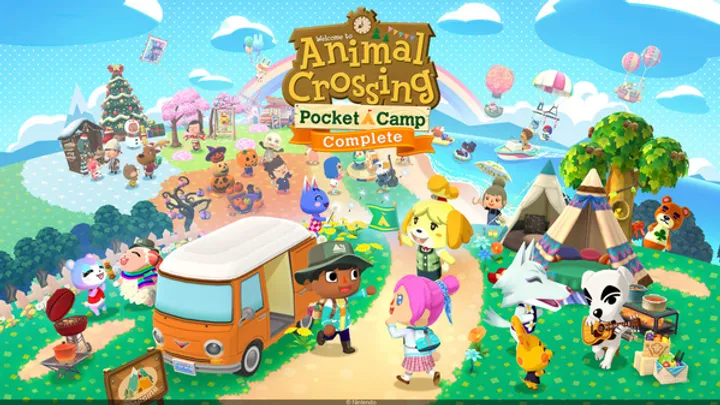
In the world of Animal Crossing, peace reigns supreme. Players decorate homes, plant flowers, and chat with charming animal neighbors. But beneath its tranquil surface lies a subtle design tension—between freedom and routine, creativity and repetition. While Animal Crossing: New Horizons brought unmatched customization and a global fanbase, it also sparked a deeper conversation among fans: has the game’s idyllic freedom turned into a carefully disguised cycle of labor? This article explores that issue in depth, examining how Animal Crossing manages to balance comfort and constraint across its design, mechanics, and long-term play experience.
1. The Origin of Animal Crossing: Life as a Gentle Experiment
The Humble Beginnings
The first Animal Crossing on the Nintendo 64 (Japan-only) and GameCube (worldwide) introduced a revolutionary concept—real-time living. Time moved as it did in the real world. Seasons changed, stores closed, and villagers followed daily schedules. This small design choice turned a simple life simulator into a social experiment about patience and daily engagement.
The Core Idea
Unlike other games that rewarded speed or competition, Animal Crossing encouraged slowness. It wasn’t about “winning” but living. Players developed habits—checking the mail, visiting neighbors, fishing, decorating—rituals that mirrored real life. This rhythm became the heart of the franchise’s enduring charm.
Key Innovations in the Early Era
- Real-time gameplay synced with actual clocks
- Unique personalities and dialogues for every villager
- An open-ended structure with no fixed objectives
2. The Philosophy of Play: Control Without Pressure
Freedom Wrapped in Soft Rules
Animal Crossing’s gameplay thrives on the illusion of total freedom. Players can design, collect, and explore at their own pace, yet beneath the surface lies an invisible framework of daily tasks. The balance between self-direction and structured routine is what keeps players emotionally grounded.
The Comfort of Structure
The game’s tasks—watering plants, fishing, catching bugs—offer a comforting sense of completion. It’s a digital to-do list that rewards effort with beauty and progress. However, the routine can sometimes become its own trap, transforming play into obligation.
3. New Horizons and the Age of Perfectionism
Customization as Empowerment
Animal Crossing: New Horizons exploded in 2020, becoming both a pandemic refuge and a creative outlet. For the first time, players could terraform land, design paths, and reshape islands entirely. The world was truly theirs.
Customization as Pressure
Yet, with this freedom came a strange pressure to perfect one’s island. Social media amplified this tension—players compared their creations, chasing aesthetic ideals. What was once cozy became performative. The island stopped being a playground and turned into a stage.
4. The Cycle of Labor: When Routine Becomes Work
The Economy of Bells and Effort
In Animal Crossing, players accumulate Bells—the in-game currency—through fishing, farming, and selling goods. While charming at first, this economic loop often mirrors real-world grind culture. You work every day, pay debts to Tom Nook, and seek rewards that push you to work more.
The Subtle Shift from Leisure to Labor
Over time, what begins as relaxation morphs into repetition. The game gently nudges players toward endless optimization—catching rarer fish, maximizing profit margins, maintaining perfect flower breeds. The calm becomes compulsive.
Common Player Patterns
- Daily check-ins to prevent village “decay”
- Compulsive item collection
- Anxiety over missed seasonal events
5. Social Connection and Isolation
Visiting Friends: The Joy of Sharing
The multiplayer aspect of New Horizons was revolutionary. Players could visit each other’s islands, exchange gifts, and hold in-game events. During the pandemic, this became a digital lifeline for many, replacing real-world gatherings.
The Paradox of Social Pressure
However, online sharing introduced comparison. Islands became status symbols, and creativity turned competitive. Players who couldn’t match others’ progress often felt left behind, turning a peaceful game into a subtle social hierarchy.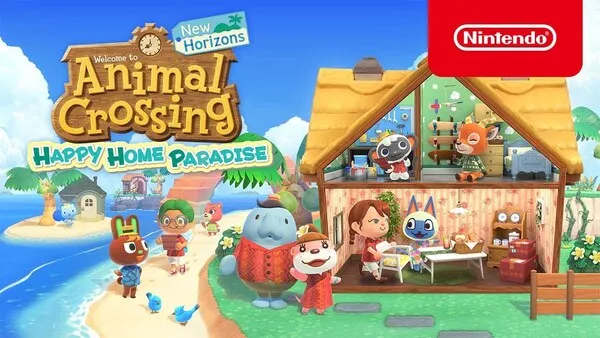
6. The Role of Villagers: Emotion and Memory
More Than Just NPCs
Animal Crossing’s villagers aren’t just cute animals—they’re emotional anchors. Each has distinct personalities, likes, and moods. Their dialogue evolves, sometimes offering genuine empathy or humor that feels deeply human.
The Loneliness of Progress
But as players redesign their islands for efficiency, they often push villagers aside—relocating homes, replacing favorites, or ignoring old friends. The very relationships that once made the game warm become casualties of optimization.
7. Aesthetic Obsession: The Curse of Design Perfection
From Creativity to Curation
The player base’s artistic explosion—fueled by platforms like Twitter and Reddit—turned the game into a public art gallery. People built theme parks, cyberpunk cities, and Studio Ghibli-inspired landscapes.
The Downside of Infinite Customization
While this creativity is inspiring, it can also lead to burnout. Players spend hours perfecting layouts, only to feel dissatisfied later. The limitless options create decision fatigue, transforming play into pressure.
The Hidden Consequences
- Increased stress to achieve visual perfection
- Diminished spontaneity
- Fear of “ruining” a well-designed area
8. Time and Emotional Investment
Real-Time as Emotional Design
Time in Animal Crossing isn’t a gimmick—it’s the foundation of emotional attachment. Waiting for flowers to bloom or villagers to move in creates anticipation. It mirrors the passage of real life, teaching patience and reward through waiting.
The Temptation of Time Travel
However, many players use “time travel”—changing system clocks—to skip ahead. While it offers control, it also breaks the game’s meditative rhythm. This tension between patience and impatience reflects modern gaming culture itself: the desire for instant gratification in a world built for slow living.
9. The Psychological Effect: Why Players Keep Coming Back
Emotional Anchors
Animal Crossing is less about mechanics and more about mood. It creates comfort through familiarity—music, dialogue, and weather cycles all evoke nostalgia and calmness. Players return not for goals but for peace.
The Loop of Contentment and Boredom
Yet, this emotional loop has limits. After hundreds of hours, the sense of purpose fades. Without external conflict or progression, players often drift away—only to return months later for new updates, repeating the emotional cycle once again.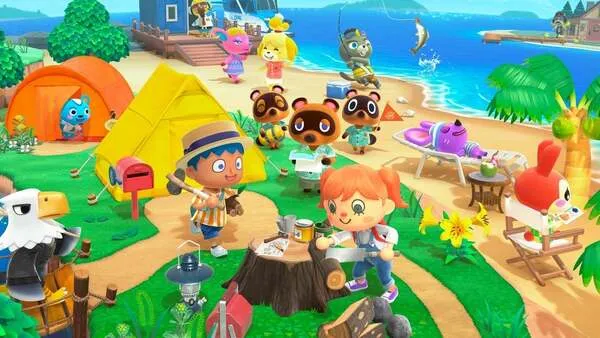
10. The Future of Animal Crossing: Evolution or Endurance?
Where Can It Grow?
The success of New Horizons sets a high bar. Fans now expect deeper customization, richer villager interactions, and meaningful updates. Future installments must evolve beyond aesthetics and rediscover the emotional core that defined early titles.
Beyond Comfort Gaming
If Animal Crossing wants to endure, it must find balance between its twin pillars—freedom and structure. It should allow creativity without overwhelming players, and routine without monotony. The next game could focus on emotional storytelling or dynamic relationships, giving purpose to the daily rhythm once more.
Conclusion
Animal Crossing remains one of gaming’s most fascinating paradoxes—a peaceful escape that subtly mirrors the very systems of work and perfection it seeks to soothe. Its genius lies in how it turns the mundane into the meaningful, but its weakness is how easily that meaning becomes routine.
The struggle between freedom and repetition defines not only Animal Crossing’s design, but also the player’s emotional experience. Whether you see it as a cozy retreat or a quiet loop of labor, one truth remains: few games capture the rhythm of real life as beautifully—or as honestly—as Animal Crossing.