.webp) twixh5.com
twixh5.comTop 5 indie games that redefine innovation
Independent games—once seen as small experiments—have now become the creative core of the gaming industry. Free from the financial pressure and formulaic structure of big studios, indie developers have consistently redefined what interactive entertainment can be. Their strength lies not in massive budgets but in original ideas, personal storytelling, and gameplay innovation.
This article explores five indie games that didn’t just succeed—they transformed gaming philosophy itself. From narrative revolutions to mechanical breakthroughs, these titles changed the way players and developers alike think about what games can achieve.
1. Undertale
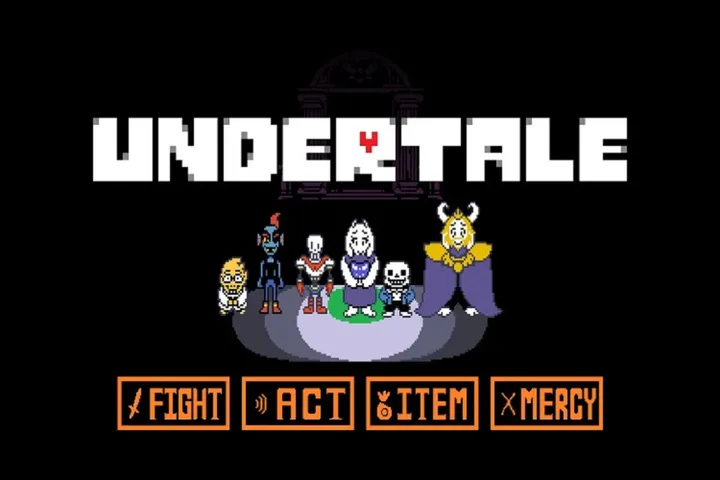
Few games have challenged the notion of “violence as progression” quite like Undertale. Created almost entirely by Toby Fox, this minimalist RPG transformed classic genre conventions into a mirror for player ethics.
A Game That Watches You Back
In and, every encounter offers two options: fight or show mercy. But the consequences ripple far beyond individual choices. The game “remembers” how you play, subtly shifting dialogue, endings, and emotional tone based on your moral consistency. It’s the first indie title to use player behavior as narrative texture.
Narrative Innovation
Instead of grand visuals, Undertale uses meta-storytelling—breaking the fourth wall to remind players that every choice matters. Its minimal art and haunting chiptune soundtrack amplify the emotional depth, proving that innovation doesn’t need realism—it needs resonance.
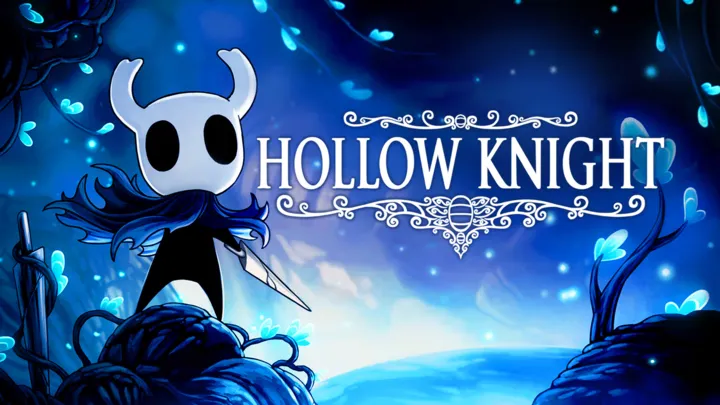
2. Hollow Knight — Elevating Exploration Through Atmospheric Precision (2017)
Team Cherry’s Hollow Knightredefine
The Art of Wordless Storytelling
H tells a complex tale of decay, sacrifice, and resilience—but rarely through dialogue. Instead, it relies on environmental design, ambient sound, and symbolic encounters. The ruined kingdom of Hallownest feels alive because silence itself becomes narrative.
Game
Its combat is minimalist yet deep, rewarding skill and patience. But innovation lies in how exploration and combat merge seamlessly—every movement feels earned, every shortcut discovered feels like an intellectual victory. It’s an artistic balance between precision and freedom.
3. Hades — Revolutionizing Roguelikes with Narrative Persistence (2020)
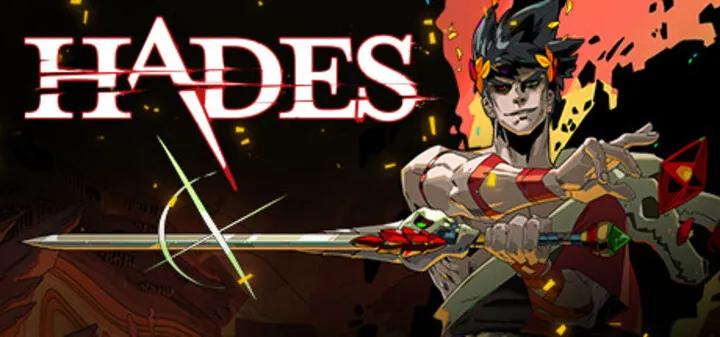
Supergiant Games’ Hades did what many believed impossible: make roguelikes emotionally immersive and narratively cohesive.
Narrates
In most roguelikes, death resets progress. In Hades, death advances the story. Each failed escape from the Underworld reveals new dialogue, character development, and evolving relationships. This persistent storytelling mechanic changed how procedural design could coexist with narrative arcs.
Why It’s Innovative
Ha merges rhythm, mythology, and player psychology. It rewards persistence, not just skill, creating a loop that’s emotionally fulfilling instead of frustrating. Supergiant’s innovation lies in making failure meaningful, transforming repetition into revelation.
4. Stray — Immersive Storytelling Through Non-Human Perspective (2022)
Developed by BlueTwelve Studio, Stray proved that emotional storytelling doesn’t require human protagonists. By placing players in the paws of a stray cat navigating a decaying cybercity, it reshaped empathy and environmental design.
I saw.
Playing as a cat isn’t a gimmick—it’s a lens. Movement, exploration, and interaction all revolve around feline behavior. The city’s scale, puzzles, and NPCs are designed around this non-human perspective, making player embodiment a narrative mechanic.
Atmosphere and Emotion
The absence of dialogue highlights how environmental storytelling can evoke emotion. Each neon alley and broken robot conveys isolation, hope, and discovery without a single spoken word. Stray demonstrates that innovation sometimes lies in seeing the familiar through new eyes.

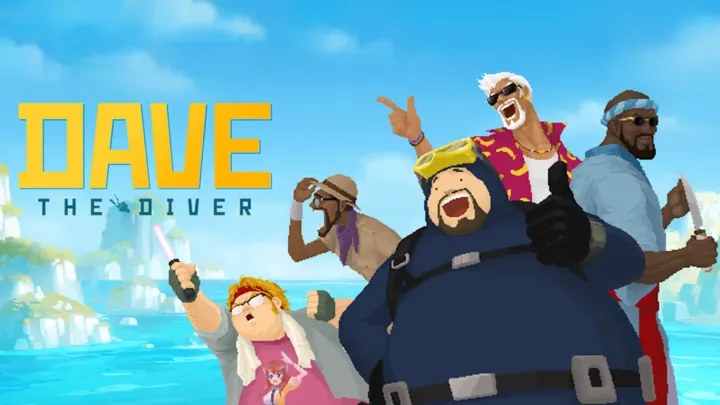
5. Dave the Diver — Blending Genres into a New Form (2023)
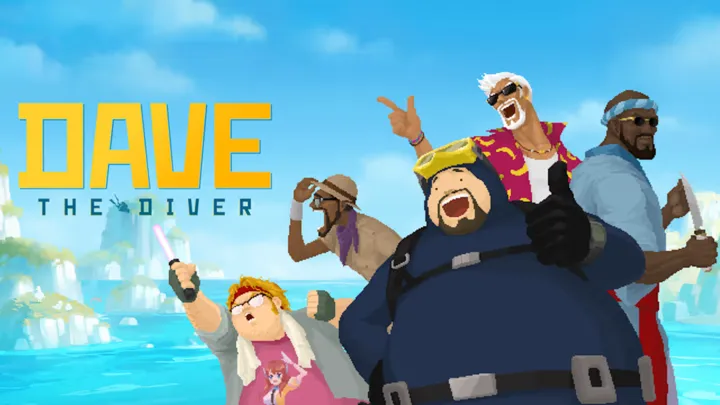
From Mintrocket, Dave the Diver is a genre hybrid that merges deep-sea exploration,restaurant management, and story-driven humor—an odd mix that works flawlessly.
Genre Innovation
Each dive offers action and resource collection; each night shifts to sushi-bar management. These alternating modes create a loop of risk and reward, tied together with an evolving narrative and lighthearted tone. Few games balance such mechanical diversity with thematic unity.
To Blue
Dave the Diver proved that genre boundaries are optional. Its success encouraged developers to experiment boldly, blending systems that traditionally don’t belong together. It’s the definition of modern indie innovation—unexpected, polished, and joyful.
Conclusion: The Indie Flame That Never Dies
The five games discussed here—Undertale, Hollow Knight, Hades, Stray, and Dave the Diver—are more than entertainment. They’re milestones in digital artistry, each proving that the heart of gaming lies in ideas, not budgets.
Innovation in indie games isn’t a trend; it’s a testament to creative freedom. As technology evolves and players crave more authenticity, these titles remind us that the future of gaming belongs not to the biggest, but to the boldest.